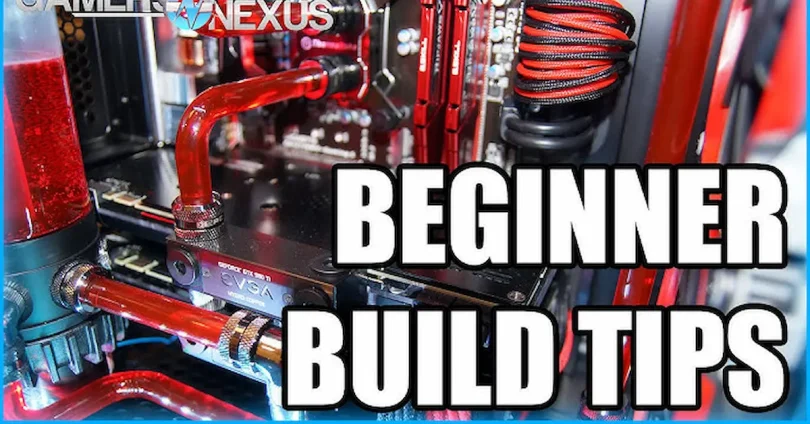

Building your own PC may sound difficult at first, especially if you are a beginner, but it is actually easier than many people think. With the right guidance and basic knowledge, anyone can build a PC that fits their needs and budget. Whether you want a PC for gaming, studying, work, or everyday use, building it yourself gives you more control over performance and quality. Beginner PC building tips
Many beginners worry about choosing the wrong parts or damaging components, but these concerns are common and completely normal. This guide is designed to make PC building simple and stress-free by explaining everything in easy language. You will learn what parts you need, how to choose compatible components, and how to avoid common beginner mistakes. By the end of this article, you will feel more confident and ready to start building your first PC. Beginner PC Building Tips
Know Your Goal Before Building
Why Your Goal Matters
Before buying any PC parts, it is important to understand why you are building a PC. Your goal helps you decide which components you need and how much money you should spend. Without a clear purpose, beginners often buy the wrong parts or spend more than necessary. Beginner PC Building Tips
PC for Basic Use
If you need a PC for web browsing, online classes, office work, or watching videos, you do not need expensive hardware. A basic processor with integrated graphics, 8GB of RAM, and an SSD will give you smooth and reliable performance for everyday tasks. Beginner PC Building Tips
PC for Gaming
For gaming, your PC needs more power. A dedicated graphics card, a capable CPU, and faster RAM are important for smooth gameplay and better frame rates. The type of games you play also matters, as esports games need less power compared to modern AAA titles. Beginner PC Building Tips
PC for Editing and Content Creation
If your goal is video editing, graphic design, or content creation, focus on a powerful processor, more RAM, and fast storage. These components help with rendering, multitasking, and handling large files efficiently. Beginner PC Building Tips
Avoid Overbuilding
Many beginners make the mistake of buying high-end parts they don’t actually need. This increases the cost without real benefits. When you clearly define your goal, you can build a PC that matches your needs, saves money, and performs exactly as expected. Beginner PC Building Tips
Set a Clear Budget Beginner PC Building Tips
Why Budget Planning Is Important
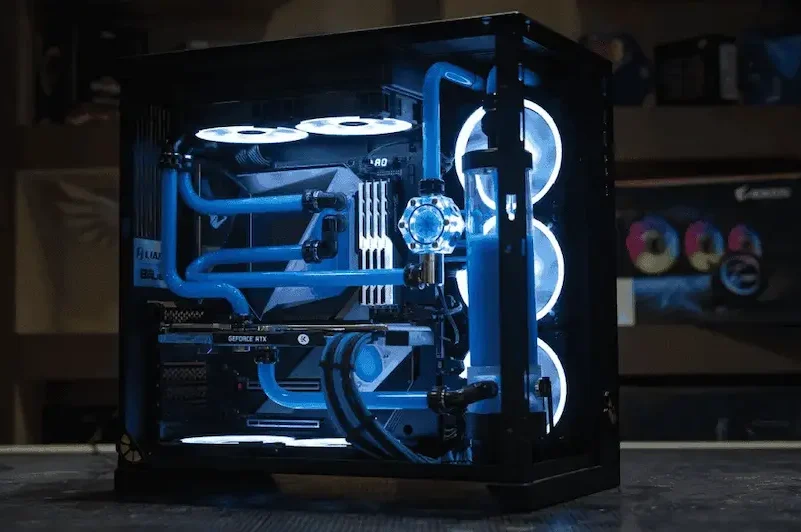
Budget planning is one of the most important steps for beginners building a PC. Without a budget, it is easy to overspend on parts that look impressive but do not actually improve performance for your needs. A clear budget helps you stay focused, make smart choices, and avoid regret after buying components. Beginner PC Building Tips
Decide Your Total Budget First
Before choosing any parts, decide the maximum amount you are willing to spend. This total should include all essential components such as the CPU, GPU, motherboard, RAM, storage, power supply, and case. Beginners should also keep a small extra amount for unexpected expenses like additional cables, fans, or thermal paste. Beginner PC Building Tips
Allocate Your Budget Wisely
How you divide your budget matters as much as how much you spend. For gaming PCs, the graphics card and processor should take the largest share of the budget because they affect performance the most. For office or study PCs, spending more on a fast SSD and enough RAM is more important than buying an expensive GPU. Always focus on performance first, then appearance.
Understand Budget Levels
A low-budget build is best for basic tasks, learning, and light gaming. A mid-range budget offers smooth gaming, multitasking, and better future upgrade options. A high-end budget is suitable for serious gamers, streamers, and content creators who need maximum performance. Choose a budget level that matches your actual needs. Beginner PC Building Tips
Avoid Overspending on Looks
RGB lights, stylish cases, and fancy accessories can increase the cost without improving performance. Beginners should prioritize quality components and airflow over visual design. You can always upgrade the look later once your system is running well.
Plan for Future Upgrades
A smart budget includes planning for the future. Choosing a good motherboard and power supply can make upgrades easier later. This approach saves money in the long run because you won’t need to replace everything when you want better performance.
Smart Money-Saving Tips
Look for trusted brands that offer good value instead of expensive premium models. Buying during sales, choosing mid-range parts, and avoiding unnecessary extras can save a lot of money. Always invest in a reliable power supply and SSD, as they improve safety, speed, and system stability. Beginner PC Building Tips
you may also like to read these posts;
Smart Home Gadgets Review 2026: Top Devices for Convenience & Security
New Wearable Technology Trends 2026: Top Devices for Health & Productivity
Top Budget Gadgets for Students 2026: Affordable Tech for Study & Productivity
Innovative Gadget Reviews 2026: Top Smart Devices You Need to Know
Gadget Buying Guide 2026: How to Choose the Best Devices for Your Needs
Learn Basic PC Components
CPU (Processor)
The CPU is often called the brain of the PC. It handles all instructions and calculations, from opening programs to running games. For beginners, choosing a modern mid-range processor is usually enough for smooth performance. The CPU you choose should match your motherboard socket to avoid compatibility issues. Beginner PC Building Tips
GPU (Graphics Card)
The GPU is responsible for graphics and visual performance, especially in games and creative work. If you plan to play games or do video editing, a dedicated graphics card is very important. For basic tasks, integrated graphics built into the CPU are usually sufficient and help save money. Beginner PC Building Tips
Motherboard
The motherboard connects all PC components together. It decides which CPU, RAM, and storage types your system can use. Beginners should choose a motherboard that fits their needs without paying extra for features they won’t use. Always make sure it supports your chosen CPU and future upgrades. Beginner PC Building Tips
RAM (Memory)
RAM helps your PC run multiple programs smoothly. For most beginners, 8GB of RAM is the minimum, while 16GB is ideal for gaming and multitasking. Faster RAM can improve performance slightly, but having enough capacity is more important than speed. Beginner PC Building Tips
Storage (SSD vs HDD)
Storage is where your operating system, games, and files are saved. SSDs are much faster and make your PC start and load programs quickly. HDDs offer more storage space at a lower cost but are slower. Many beginners use an SSD for the system and an HDD for extra storage. Beginner PC Building Tips
Power Supply (PSU)
The power supply provides electricity to all components. Choosing a high-quality PSU is very important for safety and system stability. Beginners should avoid cheap power supplies and choose one with enough wattage and good efficiency ratings.
PC Case
The PC case holds all your components and affects airflow and cooling. Beginners should choose a case with good ventilation and enough space for their parts. While looks are nice, airflow and compatibility are more important for a reliable build. Beginner PC Building Tips
Check Compatibility Before Buying Parts
CPU and Motherboard Compatibility
The CPU and motherboard must be compatible with each other. Every processor uses a specific socket type, and the motherboard must support that socket. Beginners should always check the motherboard’s supported CPU list to avoid buying parts that do not work together. Beginner PC Building Tips
RAM Compatibility
Not all RAM works with every motherboard. You need to check the RAM type (DDR4 or DDR5) and the supported speed. While faster RAM can help performance, compatibility is more important than speed. Using supported RAM ensures stable and smooth operation. Beginner PC Building Tips
GPU and Case Size
Graphics cards come in different sizes, and not all cases can fit large GPUs. Before buying a graphics card, check the maximum GPU length supported by your PC case. This simple step helps avoid installation problems later.
Power Supply Requirements
Your power supply must provide enough power for all components. Check the wattage requirements of your CPU and GPU and choose a PSU with extra headroom. A reliable power supply protects your components and ensures long-term stability.
Storage and Connectivity
Make sure your motherboard has enough slots and ports for your storage devices. Check for M.2 slots for SSDs and SATA ports for HDDs or SSDs. Proper connectivity ensures easy installation and future expansion.
Why Compatibility Checks Matter
Compatibility issues can prevent your PC from starting or cause performance problems. Beginners who carefully check compatibility avoid frustration, save money, and enjoy a smoother building experience.
Tools and Preparation Before Building
Basic Tools You Will Need
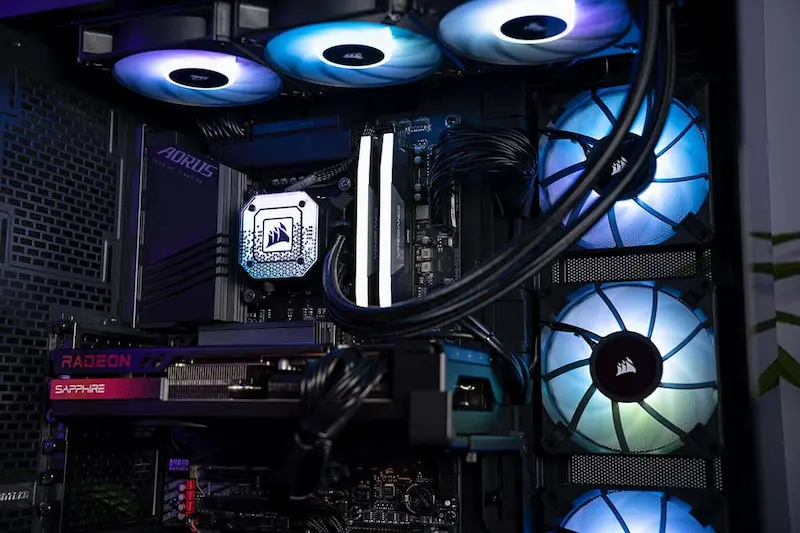
Building a PC does not require many tools. The most essential is a Phillips-head screwdriver for installing the motherboard, GPU, and storage devices. Some optional tools that can help include a small flashlight, tweezers for tiny screws or connectors, and a zip tie cutter for cable management. Keeping all tools in one place prevents frustration during the build.
Prepare a Clean and Organized Workspace
Choose a flat, stable, and well-lit surface for your build. Avoid carpets or rugs because static electricity can damage components. A wooden or plastic table works best. Make sure you have enough space to lay out all parts and work comfortably. You can also place a soft cloth or mat to protect components from scratches.
Prevent Static Electricity
Static electricity is one of the biggest risks when building a PC. Always ground yourself by touching a metal object before handling components. Using an anti-static wrist strap is even safer. Handle sensitive components like the CPU, RAM, and GPU by the edges, avoiding contact with metal pins or circuits. Beginner PC Building Tips
Read Manuals and Instructions
Manuals are your best friend as a beginner. The motherboard manual explains where to install RAM, CPU, and storage, and which ports to use. The GPU, case, and PSU manuals also provide helpful diagrams. Reading them carefully before starting can prevent mistakes and save time. Beginner PC Building Tips
Unbox and Organize All Components
Before building, unpack every part and arrange them neatly on your workspace. Keep screws, standoffs, and small accessories in separate containers so they don’t get lost. Organizing parts before installation makes the build process smoother and reduces errors.
Plan Cable Management
Good cable management improves airflow and keeps your PC clean and cool. Beginners can use zip ties or Velcro straps to bundle cables. Planning where each cable will go before installing components saves time and avoids a messy case later.
Take Your Time and Stay Calm
PC building is a careful process, not a race. Take your time with each step, double-check connections, and don’t rush. Mistakes happen, but being patient and methodical makes the experience enjoyable and ensures your PC works perfectly.
Optional: Watch Tutorials
For extra confidence, beginners can watch video tutorials or follow step-by-step guides online. Visual learning can make it easier to understand component placement, cable connections, and installation order.
Is building a PC hard for beginners?
Not at all. With the right guidance, patience, and basic tools, beginners can build a PC successfully. Following step-by-step instructions and checking compatibility makes the process easier and more enjoyable.
Is it cheaper to build your own PC?
Yes. Building your own PC usually costs less than buying a prebuilt system with the same performance. You can choose only the parts you need, avoid unnecessary extras, and upgrade individual components over time.
How long does it take to build a PC?
For a beginner, a first-time build usually takes 2–4 hours. This includes unpacking parts, reading manuals, careful installation, and testing. With practice, future builds will take less time.
Conclusion:
Building your first PC can seem intimidating, but with the right guidance and preparation, it is an exciting and rewarding experience. By understanding your goal, setting a clear budget, learning about each component, and carefully following step-by-step instructions, beginners can successfully build a PC that meets their needs.
Remember to check compatibility, prepare your workspace, and take your time. Avoid common mistakes like using a low-quality power supply, applying thermal paste incorrectly, or rushing through installation. With patience and attention to detail, your first PC build will run smoothly and provide years of reliable performance.
One of the greatest advantages of building your own PC is the ability to customize, upgrade, and learn about how computers work. Each build teaches valuable skills and gives you the confidence to tackle future upgrades or even more advanced builds. By following these beginner-friendly tips, you can enjoy the satisfaction of creating a PC that’s perfectly tailored to your needs and budget.