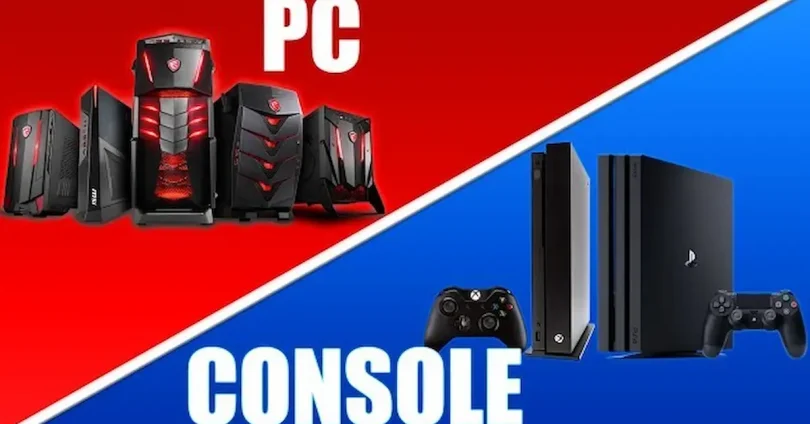

Choosing the right gaming platform is one of the most important decisions for gamers in 2026. Both Gaming Console vs PC offer unique advantages, but they cater to different types of players. Consoles are known for their plug-and-play simplicity, exclusive games, and consistent performance, making them ideal for casual and dedicated gamers who want a hassle-free experience.
On the other hand, gaming PCs provide power, customization, and flexibility, allowing players to upgrade hardware, tweak settings, and access a vast library of games, mods, and online platforms. This guide will help you compare consoles and PCs across performance, cost, game library, customization, and social features, so you can choose the best option for your gaming needs
Performance Comparison Gaming Console vs PC
When it comes to gaming performance, PCs and consoles offer different experiences based on hardware, optimization, and flexibility. Understanding these differences helps you choose the right platform for your gaming needs
Graphics and Frame Rates
- Consoles: Modern consoles like PlayStation 6, Xbox Series Z, and Nintendo Switch OLED deliver consistent graphics and frame rates optimized for their hardware. Games are often well-optimized, so players get smooth 60FPS or even 120FPS gameplay on supported titles
- PCs: Gaming PCs can far exceed console performance, offering higher resolutions (4K/8K), higher frame rates, and advanced graphical effects. High-end GPUs like NVIDIA RTX 5090 or AMD RX 8900 XT can deliver unmatched visual fidelity and customization
Load Times and Storage Solutions
- Consoles: Use custom SSDs to minimize load times. Many games load almost instantly, giving a seamless gaming experience
- PCs: PCs benefit from NVMe SSDs, which can load games even faster than consoles. Additionally, PCs can have larger storage capacity, allowing multiple games and media without constantly uninstalling
Upgradability and Future-Proofing
- Consoles: Hardware is fixed, meaning no upgrades. Performance remains consistent but limited to the console’s specs
- PCs: Highly upgradable, allowing players to replace GPUs, CPUs, RAM, and storage over time. This makes PCs more future-proof, capable of handling new games at higher settings for several years
Custom Settings and Optimization
- Consoles: Games are designed to run on a fixed setup, so settings are pre-optimized
- PCs: Gamers can adjust graphics, resolution, and frame rates to match their hardware, giving more control over performance vs visual quality
Summary
- Best for Consistent Performance: Consoles provide reliable gameplay without worrying about upgrades
- Best for Maximum Performance and Customization: Gaming PCs allow higher resolutions, frame rates, and graphical options
- Best for Future-Proofing: PCs can be upgraded as hardware evolves, while consoles remain fixed
What Is a Gaming Console?
A gaming console is a special electronic device made mainly for playing video games. It is designed to be simple, fast, and easy to use, even for beginners. Unlike a PC, a gaming console focuses only on gaming and entertainment.
Gaming consoles connect to a TV or monitor and are played using a controller. Popular examples include PlayStation, Xbox, and Nintendo Switch. These devices are built with fixed hardware, which means games are specially optimized to run smoothly without any complicated settings.
One of the biggest benefits of a gaming console is its plug-and-play feature. You don’t need technical knowledge—just turn it on, install a game, and start playing. Consoles are also great for multiplayer and family gaming, allowing friends and family to enjoy games together.
In addition to gaming, consoles can be used for entertainment such as watching movies, streaming videos, and listening to music. Overall, a gaming console is ideal for casual gamers, families, and anyone who wants a simple and enjoyable gaming experience.
Game Library: Console vs PC
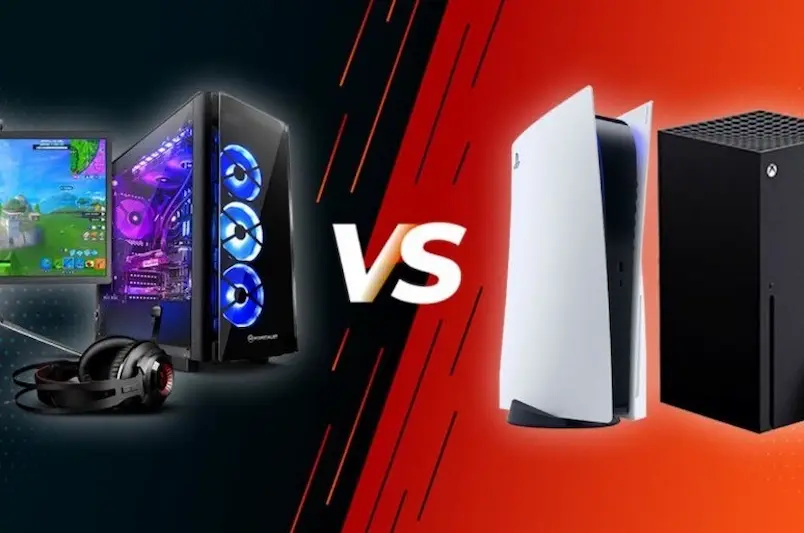
One of the most important things to consider when choosing between a gaming console and a PC is the game library. The types of games you can play, along with exclusives and customization options, often influence a gamer’s decision. Gaming Console vs PC
Console Game Library
Exclusive Titles: Consoles often have exclusive games that you can’t play anywhere else. These exclusives can be a major draw for gamers who love certain franchises. For example, PlayStation has The Last of Us, God of War, and Horizon Forbidden West, Xbox offers Halo, Forza Horizon, and Gears of War, while Nintendo Switch has The Legend of Zelda, Super Mario, and Animal Crossing. Gaming Console vs PC
Optimized Gameplay: Games on consoles are specifically designed for that hardware, which means you usually get smooth performance, consistent graphics, and no hardware compatibility issues. You don’t need to worry about upgrading parts to play the latest games. Gaming Console vs PC
Family-Friendly & Party Games: Many console games are designed for multiplayer fun with friends or family, making consoles a popular choice for social gaming experiences. Gaming Console vs PC
PC Game Library
Vast Variety of Games: PC gaming offers a much larger selection of games, including AAA blockbusters, indie gems, simulation games, strategy games, and more. Gaming Console vs PC
Mods and Customization: One of the biggest advantages of PC gaming is modding. Players can change graphics or textures, add new characters or maps, or create entirely new game modes. This level of customization allows for a unique and personalized gaming experience. Gaming Console vs PC
Backward Compatibility: PCs can run older games, often without issues, whereas consoles may lose support for older titles after a new generation. This makes PCs great for gamers who want to revisit classic games. Gaming Console vs PC
Versatility and Extra Features: PCs can support VR gaming, emulated console games, game streaming, and recording. This makes PCs not just a gaming device but a multifunctional entertainment system. Gaming Console vs PC
you may also like to read these posts;
Smart Home Gadgets Review 2026: Top Devices for Convenience & Security
New Wearable Technology Trends 2026: Top Devices for Health & Productivity
Top Budget Gadgets for Students 2026: Affordable Tech for Study & Productivity
Innovative Gadget Reviews 2026: Top Smart Devices You Need to Know
Gadget Buying Guide 2026: How to Choose the Best Devices for Your Needs
Ease of Use: Console vs PC
When deciding between a gaming console and a PC, ease of use is one of the key factors, especially for beginners or casual gamers. Gaming Console vs PC
Console Ease of Use
Consoles are designed to be plug-and-play, which means you can start gaming almost immediately after setting them up. There’s no need to worry about hardware compatibility, drivers, or system requirements. Updates are usually automatic, and the interface is simple and consistent across games. Controllers are standardized and easy to use, making consoles a great choice for family gaming or social play. Gaming Console vs PC
PC Ease of Use
PCs offer far more customization and flexibility, but they require a bit more technical knowledge. You may need to install drivers, manage software updates, and troubleshoot occasional performance issues. Game settings may need adjustment to match your hardware capabilities, and understanding components like graphics cards and RAM can be important for optimal gameplay. Despite this, PCs provide a highly personalized experience, allowing you to tweak graphics, controls, and mods to suit your preferences. Gaming Console vs PC
Key Takeaways
If you want convenience and simplicity, a console is the clear winner. If you enjoy customization and control, a PC offers more flexibility but comes with a learning curve. Gaming Console vs PC
Multiplayer & Online Experience: Console vs PC
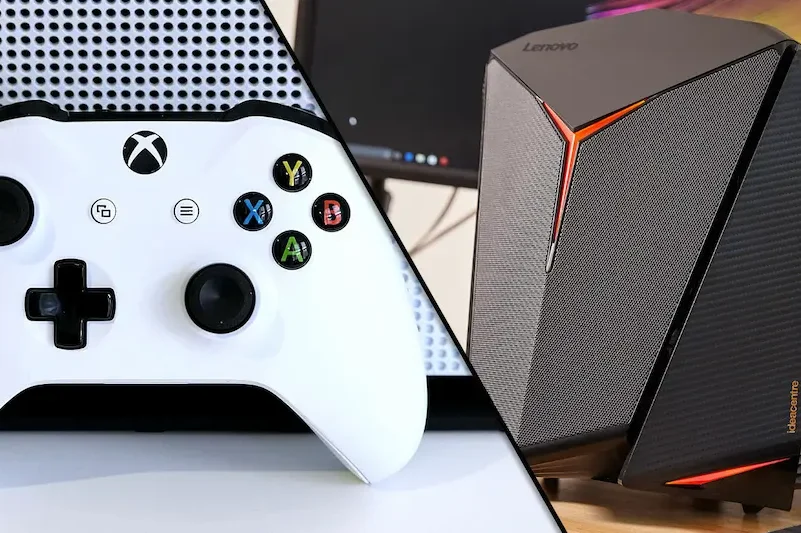
Online and multiplayer gaming is a major factor for many gamers, as it allows you to play with friends, join global competitions, and experience interactive gameplay in ways single-player games cannot. Gaming Console vs PC
Console Multiplayer & Online Services
Consoles provide easy and reliable access to online gaming through services like PlayStation Network, Xbox Live, and Nintendo Switch Online. These services offer matchmaking, voice chat, cloud saves, free monthly games, and discounts on popular titles. Multiplayer is often seamless and family-friendly, making it perfect for gamers who want to play with friends or siblings without worrying about technical setup. Many consoles also support cross-platform gaming, allowing you to join friends on PC or other consoles for popular games like Fortnite, Call of Duty, or Minecraft. Consoles also handle updates and server connections automatically, which makes online play smooth and stress-free for casual gamers. Gaming Console vs PC
PC Multiplayer & Online Platforms
PC gaming offers a larger variety of multiplayer experiences thanks to platforms like Steam, Epic Games Store, Battle.net, and Origin. PCs host competitive esports titles, cooperative MMORPGs, and indie multiplayer games that may not be available on consoles. Players can customize network settings, adjust graphics for smoother gameplay, and even host their own servers for unique experiences. PC also allows modding for multiplayer games, which can add new maps, characters, or gameplay modes. With high-end hardware, PCs can achieve higher frame rates and lower latency, giving a competitive edge in fast-paced games like CS:GO, Valorant, or League of Legends. Gaming Console vs PC
Social Interaction & Community
Consoles emphasize easy social interaction with built-in party chats, friend lists, and integrated streaming options. PC communities are more diverse and customizable, with access to Discord servers, Reddit communities, and multiplayer forums. Both platforms support online tournaments, but PCs often cater to hardcore competitive gaming due to customizable controls and performance advantages. Gaming Console vs PC
Key Takeaways
- Choose a console if you want plug-and-play multiplayer, easy setup, and family-friendly gaming.
- Choose a PC if you want competitive online gaming, more multiplayer options, higher performance, and the ability to mod or host custom servers. Gaming Console vs PC
- Consider your gaming goals, friends’ platforms, and preferred game genres when deciding.
Can I play all games on both console and PC?
No, not all games are available on both platforms. Consoles have exclusive titles that can’t be played on PC, such as The Last of Us on PlayStation or Halo on Xbox. PCs, on the other hand, have a larger variety of games, including indie titles, mods, and some older or niche games that consoles may not support. It’s important to check whether your favorite games are available on your preferred platform before buying.
Which is cheaper in the long run: console or PC?
The cost depends on your needs. Consoles are generally cheaper upfront and include all necessary hardware for gaming. However, long-term costs can add up with game purchases, subscriptions like Xbox Live or PlayStation Plus, and occasional hardware upgrades. PCs are more expensive upfront, but they can be upgraded over time instead of replaced, and sales on digital stores can make games more affordable.
Can a console match a gaming PC’s performance?
High-end gaming PCs typically outperform consoles in graphics, frame rates, and customization. Consoles are optimized for consistent performance, but they may not reach the same high frame rates or visual fidelity as a top-tier PC. For casual gaming or playing console exclusives, consoles are excellent, but competitive or performance-focused gamers often prefer PC.
Conclusion:
Choosing between a gaming console and a PC ultimately depends on your preferences, gaming style, and budget. Consoles offer plug-and-play simplicity, family-friendly multiplayer, and exclusive games, making them ideal for casual gamers or those who want a hassle-free setup. PCs provide higher performance, customization options, mod support, and a vast library of games, which appeal to competitive gamers or those who enjoy personalizing their gaming experience.
When deciding, consider factors like cost, game library, ease of use, online experience, and upgrade potential. There is no “one-size-fits-all” answer—both platforms have their unique advantages. By understanding your priorities and gaming goals, you can choose the system that will provide the most enjoyable experience for years to come.