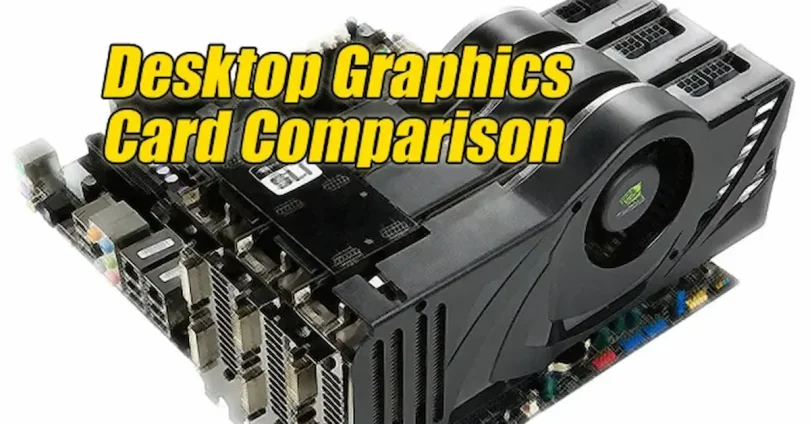

Graphics cards, or GPUs, are the heart of any modern PC when it comes to gaming, video editing, 3D rendering, and AI tasks. Choosing the right GPU can be overwhelming because there are so many options from NVIDIA, AMD, and Intel, each with different specifications, features, and performance levels Graphics card comparison guide
This guide will help you compare the best graphics cards of 2026 by looking at their performance, VRAM, power consumption, cooling solutions, and price. Whether you are a gamer, content creator, or AI enthusiast, this comparison will make it easier to choose the perfect GPU for your needs and budget
Top Graphics Cards of 2026
Here are some of the leading graphics cards you should know about in 2026, covering different performance levels from budget to high‑end:
NVIDIA GeForce RTX 5090
One of the most powerful consumer GPUs available, ideal for 4K and 8K gaming, ray tracing, and AI‑accelerated workloads. It features large VRAM and advanced DLSS technologies that push performance to the top tier of current offerings. Sportskeeda Tech
NVIDIA GeForce RTX 5080
A strong high‑end choice that offers excellent performance for QHD and entry‑level 4K gaming. It’s a more affordable alternative to the 5090 without sacrificing too much performance. Technewsinfoo
NVIDIA GeForce RTX 5070 Ti
A popular upper‑mid‑range GPU that provides solid performance for both gaming and productivity tasks. It delivers good value while supporting advanced NVIDIA features such as DLSS upscaling. Sportskeeda Tech
AMD Radeon RX 8900 XT
A high‑performance AMD GPU designed for 4K gaming and efficient power usage. It offers competitive performance against NVIDIA’s high‑end models while often excelling in traditional rasterization tasks. Technewsinfoo
AMD Radeon RX 8800 XT
A strong choice in the mid‑high range, delivering great performance for 1440p gaming and even capable 4K performance at respectable settings. Big Write Hook
AMD Radeon RX 9060 XT
One of the best mid‑range cards for 1080p and 1440p gaming with solid performance and value. It’s a popular pick for gamers on a moderate budget. Onix Computer
Intel Arc A770 Ultra
Intel’s high‑performance offering, balancing ray tracing and AI upscaling with good overall performance for gaming and productivity. It’s a strong contender especially in mid‑range builds. Big Write Hook
Intel Arc A580 Pro
A mid‑range/entry option that still packs enough power for 1080p gaming and mainstream applications, giving budget builders a viable alternative. Big Write Hook
Why These Matter in 2026
The 2026 GPU landscape continues to see fierce competition, with NVIDIA leading in raw performance and AI features, AMD offering strong value and rasterization power, and Intel improving its Arc lineup for budget and mid‑range users. Real‑world performance varies by game and workload, but these cards represent some of the best options available across different price and performance tiers. Onix Computer+1
GPU Performance Graphics Card Comparison Guide
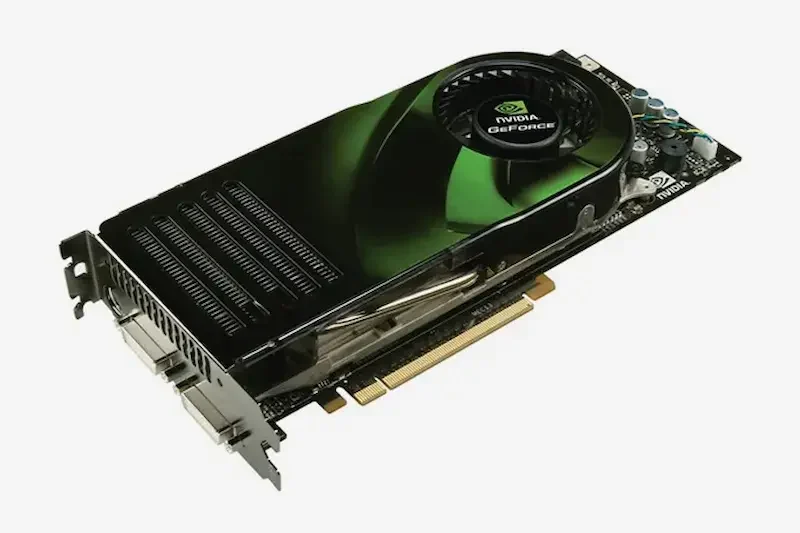
When choosing a graphics card, performance is the most critical factor because it determines how well your system can handle gaming, 3D rendering, video editing, and AI tasks. In 2026, GPUs are evaluated based on core count, clock speed, VRAM, and architecture efficiency, all of which affect real-world performance
Core Specifications
- CUDA Cores / Stream Processors: More cores generally mean better parallel processing, which improves performance in games, simulations, and rendering tasks. NVIDIA uses CUDA cores, AMD uses Stream Processors, and Intel’s Arc GPUs use Execution Units for similar purposes
- Clock Speed: Measured in MHz or GHz, higher clock speeds allow GPUs to process data faster. Combined with core count, this affects gaming FPS, rendering speed, and AI workloads
- VRAM: Video memory (GDDR6, GDDR6X, or HBM2) affects how well the GPU handles high-resolution textures, 4K/8K gaming, and large data sets for AI or design software
Gaming Benchmarks
- NVIDIA RTX 5090: Handles 4K and 8K gaming at max settings, excellent ray tracing, and smooth frame rates above 120 FPS in most modern games
- NVIDIA RTX 5080 / 5070 Ti: Ideal for QHD and entry-level 4K gaming, with solid frame rates and DLSS support for smoother visuals
- AMD RX 8900 XT: Competes with NVIDIA in rasterization, delivering high FPS in AAA games and strong 4K performance, slightly less efficient in ray tracing
- AMD RX 8800 XT / 9060 XT: Best for 1440p or 1080p gaming, balancing cost and performance
- Intel Arc A770 Ultra: Performs well in mid-range to high-end gaming, strong for AI-assisted features and less demanding 4K gaming
Productivity and AI Workloads
- NVIDIA GPUs excel in AI, deep learning, and CUDA-accelerated applications, making them ideal for AI researchers or video editors using GPU acceleration
- AMD GPUs provide solid performance for content creation, rendering, and design software at competitive pricing
- Intel Arc GPUs are improving in AI and creative workloads, especially for mid-range and budget users
Efficiency and Thermal Performance
- High-end GPUs like the RTX 5090 and RX 8900 XT are power-hungry, requiring robust cooling solutions and high-wattage PSUs
- Mid-range cards such as RX 8800 XT and Intel Arc A770 Ultra are more energy-efficient while still delivering excellent performance
- Cooling methods include air cooling, liquid cooling, and hybrid solutions, which affect thermal stability and noise levels
Summary
- Top Raw Performance: NVIDIA RTX 5090, AMD RX 8900 XT
- Best Value for Gamers: AMD RX 8800 XT, NVIDIA RTX 5070 Ti
- Mid-Range & Budget Options: Intel Arc A770 Ultra, RX 9060 XT
- Best for AI & Productivity Tasks: NVIDIA RTX 5090 / 5080 with CUDA acceleration
you may also like to read these posts;
Smart Home Gadgets Review 2026: Top Devices for Convenience & Security
New Wearable Technology Trends 2026: Top Devices for Health & Productivity
Top Budget Gadgets for Students 2026: Affordable Tech for Study & Productivity
Innovative Gadget Reviews 2026: Top Smart Devices You Need to Know
Gadget Buying Guide 2026: How to Choose the Best Devices for Your Needs
Ray Tracing and Graphics Technologies
Modern graphics cards in 2026 are not just about raw power—they also include advanced technologies that dramatically improve visuals and performance in games, creative workflows, and AI applications. Features like ray tracing, AI upscaling, and enhanced rendering pipelines are now standard in high-end GPUs, giving users realistic graphics and smoother performance
Ray Tracing
- Ray tracing simulates realistic lighting, shadows, and reflections in games, making environments appear more lifelike
- NVIDIA RTX 5090 and 5080 excel with dedicated RT cores, allowing complex lighting effects without compromising frame rates
- AMD RX 8900 XT supports ray tracing as well, though it may deliver slightly lower performance than NVIDIA in highly demanding scenes
- Intel Arc GPUs now include ray tracing support, making even mid-range GPUs capable of realistic lighting in many modern games
- Ray tracing is particularly important for AAA titles, cinematic effects, and professional 3D rendering, giving users a near-realistic gaming experience
AI and Upscaling Technologies
- NVIDIA DLSS (Deep Learning Super Sampling): Uses AI to render games at a lower resolution and upscale to higher resolution, maintaining visual quality while boosting FPS
- AMD FSR (FidelityFX Super Resolution): Open-source upscaling technology that improves frame rates across many games without noticeable quality loss
- Intel XeSS (Xe Super Sampling): Intel’s AI upscaling solution enhances visuals and performance for supported titles, making mid-range GPUs more competitive
- These AI technologies reduce the strain on GPUs, allowing smoother gameplay even on cards that are not the absolute top tier
Other Advanced Graphics Features
- Variable Rate Shading (VRS): Improves performance by adjusting shading detail in less noticeable areas, freeing GPU resources for complex visuals Graphics Card Comparison Guide
- Mesh Shaders: Optimize rendering efficiency for games with complex 3D geometry, improving frame rates without sacrificing visual fidelity Graphics Card Comparison Guide
- Hardware-Accelerated Ray Tracing: Found in NVIDIA and AMD high-end cards, enabling real-time cinematic-quality lighting Graphics Card Comparison Guide
Why These Technologies Matter
- Ray tracing and AI upscaling enhance visuals while maintaining high frame rates, improving both gaming and professional workflows Graphics Card Comparison Guide
- Mid-range GPUs can leverage AI upscaling to achieve performance closer to high-end models, making them cost-effective choices Graphics Card Comparison Guide
- Professionals working with 3D rendering, animation, and AI-based applications benefit from these features for faster and more accurate results Graphics Card Comparison Guide
Summary
- Best for Realistic Lighting and Ray Tracing: NVIDIA RTX 5090 and 5080 Graphics Card Comparison Guide
- Best Value with AI Upscaling: AMD RX 8900 XT and RX 8800 XT Graphics Card Comparison Guide
- Good Mid-Range Option with Advanced Features: Intel Arc A770 Ultra Graphics Card Comparison Guide
- These technologies allow gamers and creators to enjoy high-quality visuals and smooth performance even on less powerful GPUs, making them essential considerations for any GPU purchase in 2026 Graphics Card Comparison Guide
VRAM and Memory Bandwidth
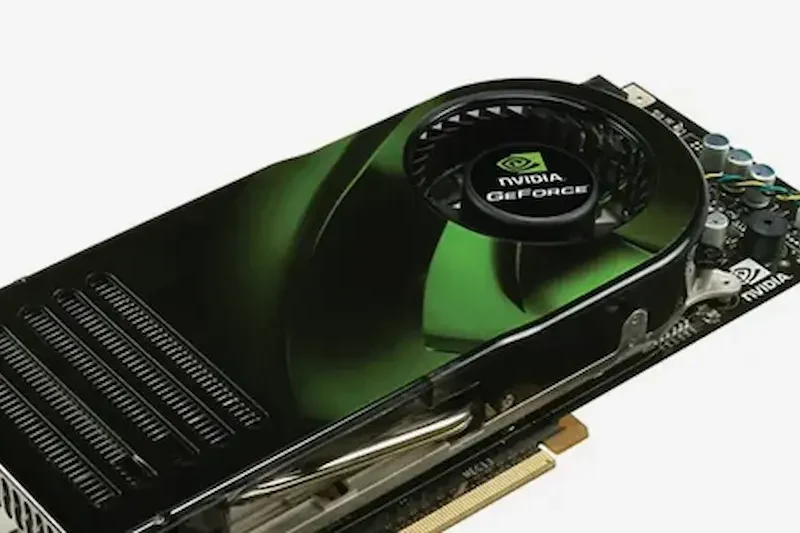
VRAM (Video RAM) and memory bandwidth are crucial for a GPU’s performance, especially in high-resolution gaming, 3D rendering, and professional workloads. They determine how much data the GPU can store and how fast it can access that data
VRAM Capacity
- High-end GPUs like NVIDIA RTX 5090 and AMD RX 8900 XT often come with 24GB or more of GDDR6X/HD memory, ideal for 4K and 8K gaming, complex 3D rendering, and AI workloads Graphics Card Comparison Guide
- Mid-range GPUs like RTX 5070 Ti, AMD RX 8800 XT, and Intel Arc A770 Ultra typically offer 8–12GB VRAM, which is sufficient for 1440p gaming and most productivity tasks Graphics Card Comparison Guide
- Entry-level GPUs often have 4–6GB VRAM, suitable for 1080p gaming and casual content creation
Memory Type and Speed
- GDDR6X is faster and more efficient than GDDR6, providing better performance in high-resolution games and GPU-intensive tasks Graphics Card Comparison Guide
- HBM2/HBM3 (High Bandwidth Memory) used in some AMD GPUs offers massive bandwidth, improving performance for professional applications and AI processing Graphics Card Comparison Guide
- Higher memory speed ensures faster data transfer, reducing bottlenecks when handling large textures or datasets
Memory Bandwidth
- Bandwidth is measured in GB/s and indicates how fast the GPU can access VRAM Graphics Card Comparison Guide
- High memory bandwidth is critical for 4K gaming, real-time ray tracing, and large-scale AI workloads
- For example, NVIDIA RTX 5090 and AMD RX 8900 XT have high memory bandwidth, ensuring smooth performance at ultra settings and high resolutions Graphics Card Comparison Guide
Why VRAM Matters
- VRAM allows the GPU to store textures, shaders, and frame buffers for fast access Graphics Card Comparison Guide
- Insufficient VRAM can lead to stuttering, lower frame rates, and longer load times in modern games and applications
- Choosing a GPU with adequate VRAM ensures smooth performance and future-proofing for upcoming games and software
Summary
- Best for 4K/8K Gaming & Professional Work: NVIDIA RTX 5090, AMD RX 8900 XT (24GB+)
- Best for 1440p Gaming & Productivity: NVIDIA RTX 5070 Ti, AMD RX 8800 XT, Intel Arc A770 Ultra (8–12GB)
- Budget-Friendly 1080p Gaming: GPUs with 4–6GB VRAM Graphics Card Comparison Guide
- Always match VRAM and memory bandwidth to your gaming resolution, workload, and future needs
Which graphics card is the fastest in 2026?
The NVIDIA RTX 5090 and AMD RX 8900 XT are the top performers, offering ultra-high FPS, 4K/8K gaming, and advanced ray tracing capabilities
Do I need a high-end GPU for 1080p gaming?
No, mid-range GPUs like RTX 5070 Ti, AMD RX 8800 XT, or Intel Arc A770 Ultra are sufficient for 1080p and 1440p gaming, delivering smooth gameplay at high settings
What is VRAM and why does it matter?
VRAM (Video RAM) stores textures, frame buffers, and graphics data for the GPU. Higher VRAM is crucial for high-resolution gaming, 3D rendering, and AI tasks
Conclusion
Choosing the right graphics card in 2026 depends on your needs, budget, and the type of tasks you plan to do. High-end GPUs like the NVIDIA RTX 5090 and AMD RX 8900 XT are perfect for 4K/8K gaming, ray tracing, and AI workloads, delivering top-tier performance and future-proofing your setup. Mid-range options like the RTX 5070 Ti, AMD RX 8800 XT, and Intel Arc A770 Ultra offer excellent performance for 1440p gaming, productivity, and casual content creation without breaking the bank. Entry-level cards still handle 1080p gaming and everyday tasks efficiently
When comparing GPUs, consider performance, VRAM, ray tracing support, cooling solutions, and value for money. By understanding these factors, you can make an informed decision and choose a graphics card that matches your system, gaming resolution, and professional requirements, ensuring the best performance and longevity for your PC build